How to stop buying clothes you never wear.
A wardrobe you reach for.Again and again.
Before another purchase, take a second look at what you own. Start with your real life, the style you want and the pieces you already love.
March 2026 · Updated 2 November 2026 · 5 min read
The purchase is easy.Finding its place matters.
A sale, a trend or an imagined occasion can make a piece feel essential. The useful question is simpler: would you wear it with your clothes, for your plans, in a way that feels like you?
Before buying, try restyling
Keep two pieces.Change the plans.
The jacket and jeans stay. Notice what the top, bag and shoes change.
AI-generated styling illustrations from our capsule wardrobe edit. Try the same exercise with your own clothes.
Six small shifts
A better reasonto bring it home.
You can love a piece.You don’t have to own it.
What about the clothesalready in your wardrobe?
How do I deal with clothes I never wear?
Try one complete outfit and notice what stops you wearing it: styling, comfort, repairs or an occasion that never comes. Restyle or repair it where useful. Keep, sell or donate on your terms; a color alone is not a reason to discard something you love.
Do I need to wear everything regularly?
No. Occasion wear and seasonal pieces have a different rhythm. Aim for a wardrobe that serves your life, with fewer purchases that leave you wondering how to wear them.
How can I shop more intentionally?
See what you own, make a few combinations and identify a specific gap. Check the piece against your calendar, colors and style goal before deciding.
Why do I keep buying clothes I never wear?
Common patterns include buying for an imagined lifestyle, responding to a discount, forgetting what you own or liking a piece without having an outfit for it. Notice your own pattern, then choose one small habit to change.
Your Style,Elevated
AI-powered styling, wardrobe management, and color analysis — all in one place.
See what you already own.
Photograph a few favorites and organize them in your digital wardrobe. Look for forgotten pieces and near-duplicates before adding more.
Shop for your actual week.
Work, walking, dinners or days at home? Give the piece a real place in your calendar and the style you want to build.
Try three combinations.
Pair the piece with clothes and shoes you own. Three outfits is a useful everyday test; an occasion piece may have a different role.
Look at the color, together.
Compare the shade beside your face and your existing clothes. Color analysis can offer a starting point; a loved color does not need to leave your wardrobe.
Let the urgency pass.
Save the item and wait 48 hours for a nonessential purchase. Come back to the piece, rather than the discount or the countdown.
Think in wears.
A $200 jacket worn 100 times costs $2 per wear. A $30 top worn once costs $30. Estimate realistically, including care and alterations.
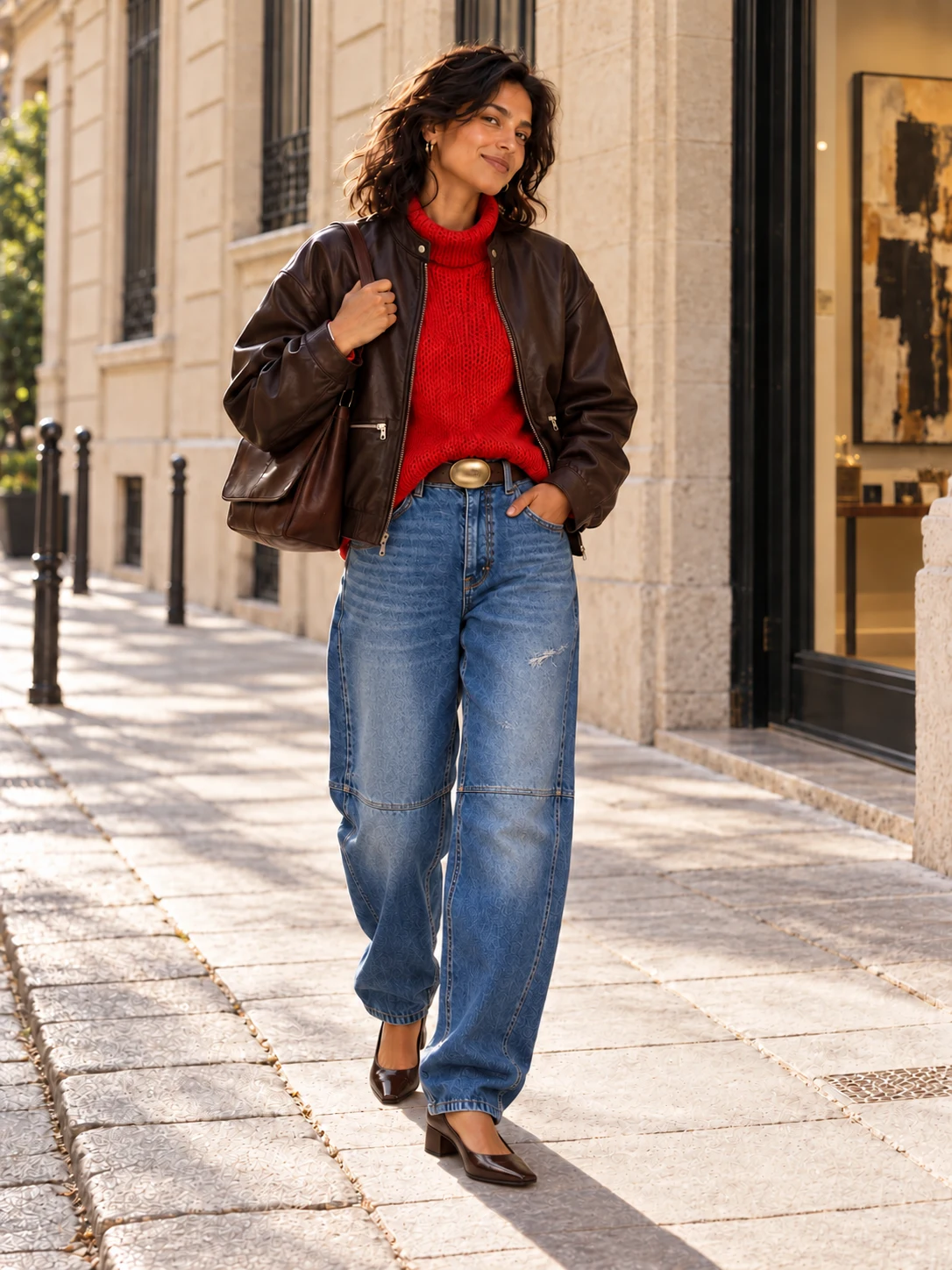
A little sharper.
Keep the jacket and jeans. A red knit, belt and pumps change the emphasis.
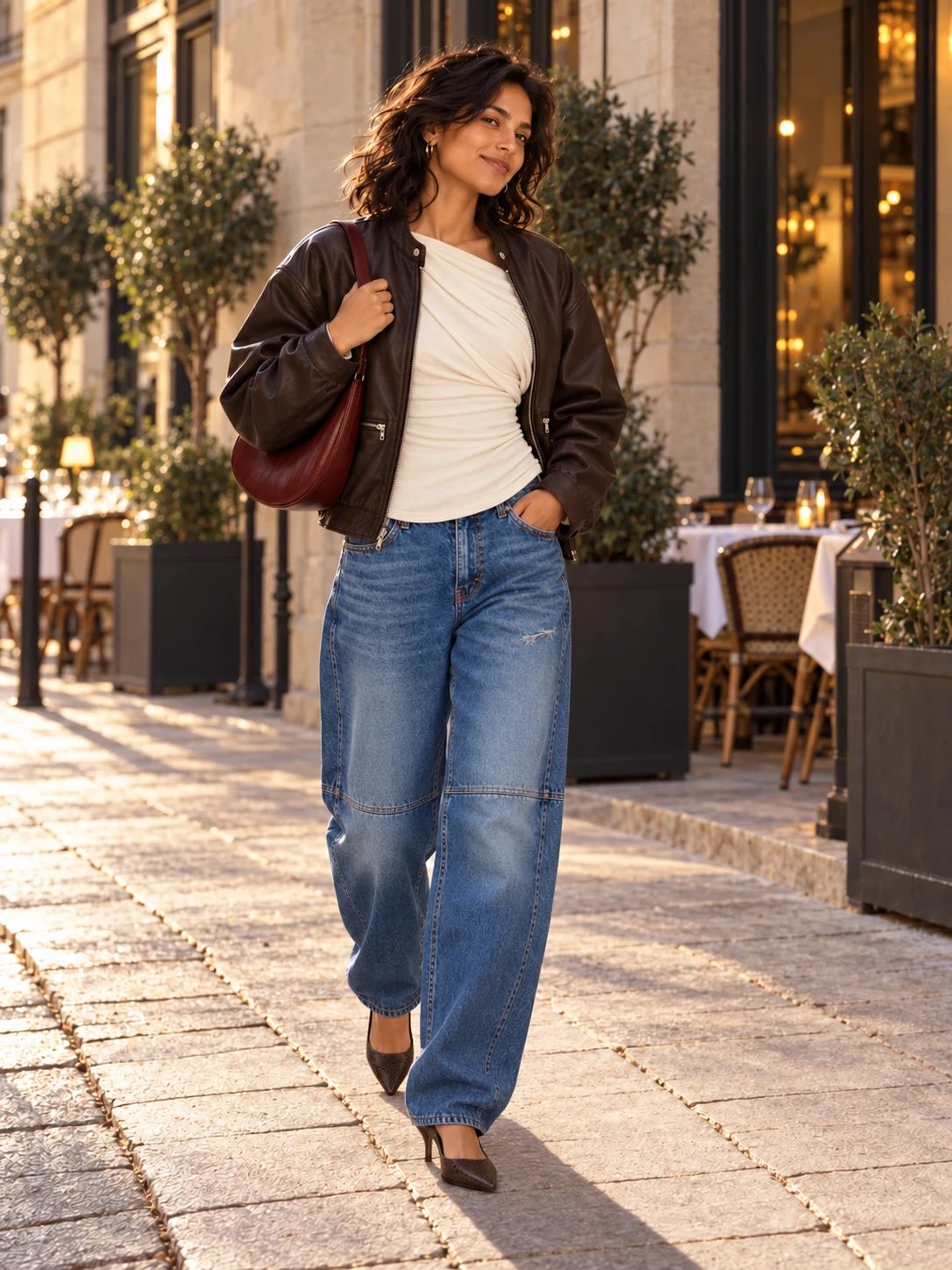
Out to dinner.
The same jacket and jeans, with an ivory draped top and smaller bag. Two familiar pieces, another plan.