The Best Virtual Closet Apps in 2026
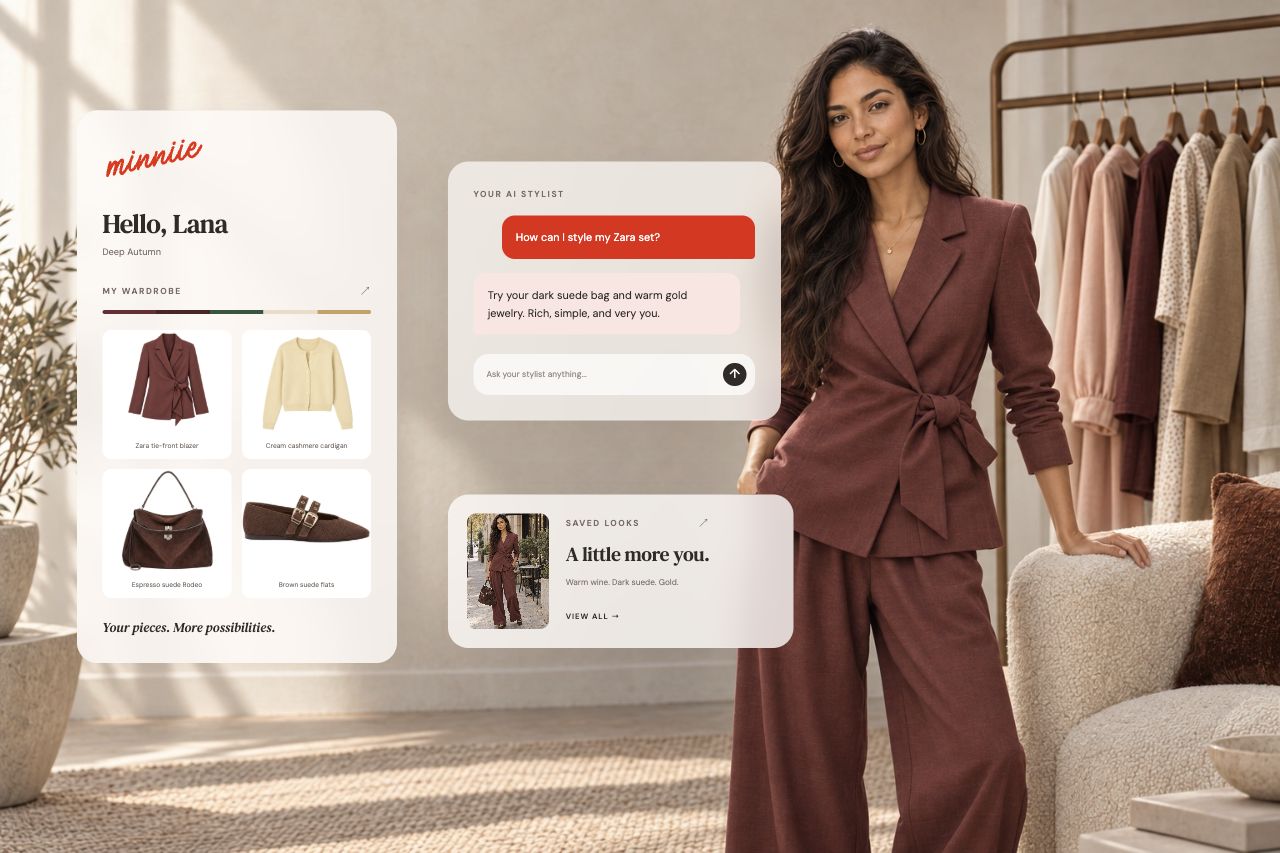
A virtual closet app turns your physical wardrobe into a searchable, plannable database. The best ones go further — using AI to suggest outfits, analyze your colors, and bridge inspiration to what you already own. Here's an honest, ranked guide to the best virtual closet apps in 2026. (Looking for broader wardrobe management? See our full guide to the best wardrobe apps.)
What matters
What Makes a Great Virtual Closet App
- Fast cataloging: Upload, auto-categorize, auto-background-remove. You shouldn't tag manually.
- Useful organization: Filters by color, season, occasion — not just "tops" and "bottoms".
- Outfit intelligence: Suggestions that consider weather, occasion, and what flatters you.
- Inspiration bridging: Connects Pinterest or Instagram saves to your real clothes.
- Sustainability angle: Helps you wear what you own instead of buying more.
At a glance
Top Virtual Closet Apps in 2026
- minniieBest overall: wardrobe, AI styling and color advice.
- WheringA focused digital closet for cataloging.
- AclosetA starting point for digital wardrobe beginners.
- CladwellA daily “what should I wear?” prompt.
- IndyxWear tracking and wardrobe insights.
- Save Your WardrobeCare, repair and extending garment life.
1. minniie — Best Overall
minniie is the most complete virtual closet in 2026. It does the wardrobe basics — upload, AI categorization, background removal — and layers a conversational AI stylist on top. Tell it "casual dinner, chilly out" and it builds a look from your real clothes. It also includes color analysis, virtual try-on, and Pinterest matching — features most competitors don't offer at all.
Best for: People who want one app for wardrobe + styling + color advice.
Pricing: Paid plans from $14.25/month (Studio, billed yearly) or $19/month monthly.
2. Whering — Best for Pure Cataloging
Whering popularized the digital closet aesthetic. The interface is clean, the wardrobe view is satisfying, and basic outfit planning is solid. It's lighter on AI styling than the leaders. See our full Whering comparison.
Best for: A clean, focused digital closet without heavy AI.
3. Acloset — Best for Beginners
Acloset is one of the most-downloaded virtual closet apps globally. The onboarding is friendly, categorization is fast, and the basic outfit suggestions are functional. The AI is more template-driven than conversational. See our full Acloset comparison.
Best for: First-time digital wardrobe users.
4. Cladwell — Best for Daily "What Should I Wear?"
Cladwell's superpower is the daily outfit suggestion based on your wardrobe and the weather. It nudges you toward capsule wardrobe thinking and consistent wear. Doesn't include color analysis or inspiration matching.
Best for: People who want a "what to wear today" prompt without overthinking.
5. Indyx — Best for Wear Tracking
Indyx leans into analytics — wear counts, cost-per-wear, wardrobe insights. Great if you're trying to be intentional about purchases and prove which items earn their space.
Best for: Data-curious shoppers tracking ROI on clothes.
6. Save Your Wardrobe — Best for Sustainability
Save Your Wardrobe blends a digital closet with circular fashion features — repair, resale, and care services. Lighter on AI, heavier on extending garment life.
Best for: Eco-conscious shoppers focused on extending wardrobe life.
Find your fit
How to Choose
Three quick questions narrow it down:
- Do you want AI styling? Yes → minniie. No → Whering or Acloset.
- Do you want color analysis or virtual try-on? Only minniie offers both built in.
- Are you focused on cost-per-wear data? Indyx specializes here.
The bigger picture
The Trend in 2026
Virtual closets used to be cataloging tools. The category is consolidating into AI-first styling platforms — apps that don't just store your clothes but actively style you. The winners are the ones treating the wardrobe as data, not a photo album.
Before you start
Frequently Asked Questions
How long does it take to digitize a wardrobe?
With AI auto-categorization, most people add 50–100 items in an hour. You don't have to do it all at once — start with what you wear most often.
Do I need to take photos in good lighting?
Daylight on a plain background works best. Modern apps handle background removal automatically, so flat-lay or hanging on a wall both work.
Will a virtual closet actually help me wear what I own?
Yes — if you use one with outfit suggestions. Studies and user surveys consistently show that seeing your wardrobe reduces forgotten items and impulse purchases. Pair it with our guide on how to stop buying clothes you never wear.